
Expedited Shipping vs Expedited Trucking
When shipments can’t wait, businesses often turn to expedited solutions. But many logistics managers still ask a fundamental question: what is expedited shipping, and how does it differ from expedited trucking? Understanding the distinction matters when deadlines are tight, production is on the line, or customers are expecting critical deliveries.
In New Jersey’s fast-moving supply chain environment where ports, warehouses, manufacturers, and distributors operate on compressed timelines, choosing the right expedited option can prevent costly disruptions. This guide breaks down how expedited shipping and expedited trucking work, when each makes sense, and how businesses can decide which approach fits their freight needs.
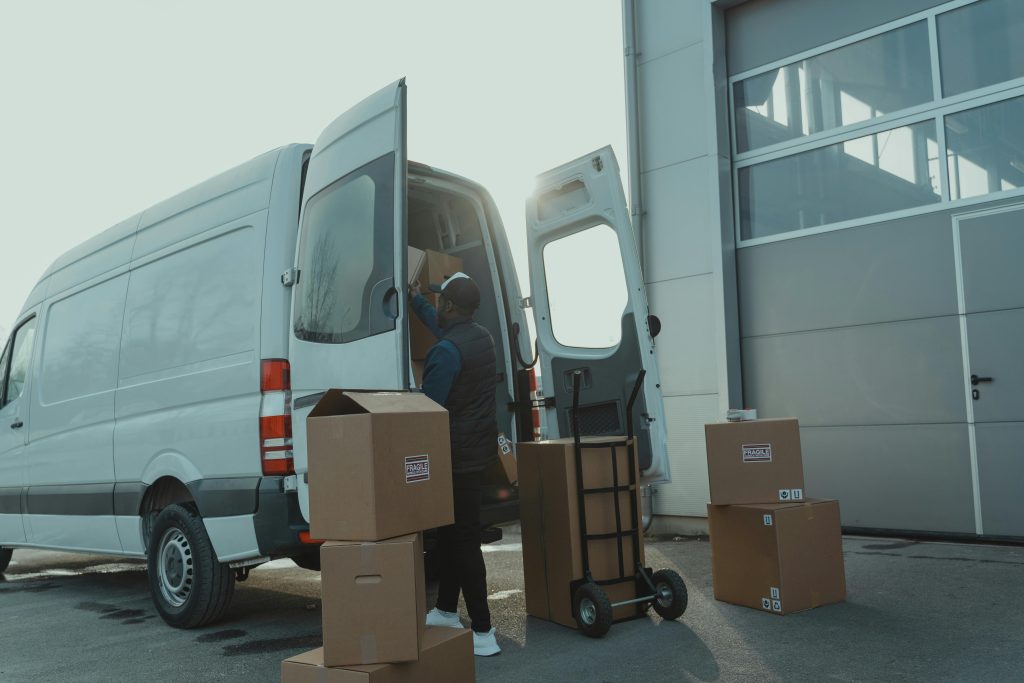
What Is Expedited Shipping?
To start with the basics, what is expedited shipping? At its core, expedited shipping is a logistics service designed to move freight faster than standard transit options. It prioritizes speed by reducing handling time, minimizing stops, and using the fastest viable transportation mode.
The expedited shipping definition typically includes services such as same-day delivery, overnight shipping, or guaranteed delivery windows. These shipments are often time-critical, meaning delays could halt operations, miss retail deadlines, or disrupt customer commitments.
In practice, expedited shipping may involve air freight, dedicated ground vehicles, or premium courier services. For a New Jersey distributor shipping urgent components to a nearby facility, expedited shipping ensures the freight moves without being delayed in standard carrier networks.
Because it focuses on urgency rather than volume, expedited shipping is most commonly used for smaller loads, high-value items, or shipments with non-negotiable deadlines.
What Is Expedited Trucking?
While expedited shipping is a broad category, what is expedited trucking specifically refers to time-critical freight moved by truck under accelerated conditions. This service uses dedicated vehicles or teams of drivers to move shipments directly from pickup to delivery with minimal interruptions.
To further clarify what is expediting in trucking, it means bypassing traditional freight consolidation. Instead of sharing trailer space with other shipments, the freight often rides alone or with very limited cargo, reducing dwell time and transfers.
Expedited trucking is widely used for regional and mid-distance moves. In New Jersey, it’s common for manufacturers or warehouses to rely on expedited trucking to move urgent freight between ports, production facilities, and regional distribution centers.
This approach offers greater control over routing, scheduling, and handling, making it a strong choice when reliability is as important as speed
Key Differences Between Expedited Shipping and Trucking
Although both options focus on speed, expedited shipping and expedited trucking operate differently.
Expedited shipping is mode-flexible. It may involve air, ground couriers, or a combination of services depending on distance and urgency. Expedited trucking, by contrast, relies entirely on trucks and road-based delivery.
Another difference is shipment size. Expedited shipping often handles smaller parcels or pallets, while expedited trucking can accommodate full truckloads, partial loads, or oversized freight that requires direct transit.
Transit control also varies. With expedited trucking, shippers typically have more visibility and predictability, since the truck is dedicated to the shipment. Expedited shipping may pass through multiple facilities, depending on the carrier and service level.
For New Jersey businesses balancing speed and operational certainty, these distinctions play a key role in choosing the right solution.
When to Choose Expedited Shipping vs Expedited Trucking
Knowing what expedited shipping helps, but applying that knowledge to real-world decisions is what matters most.
Expedited shipping is often the better choice when:
- The shipment is small but extremely urgent
- Overnight or same-day delivery is required
- Air transport significantly reduces transit time
For example, a New Jersey medical supplier shipping critical equipment overnight may rely on expedited shipping to meet hospital deadlines.
Expedited trucking is usually preferred when:
- Freight is too large or heavy for parcel networks
- Direct, point-to-point delivery is required
- Regional or multi-state ground transit is time-sensitive
A manufacturer facing a production shutdown due to missing parts may use expedited trucking to move components from a nearby supplier without delays.
Understanding these use cases helps operations teams align urgency, cost, and reliability without overpaying or underestimating transit risk.
How to Select the Right Expedited Option for Your Freight
Selecting the right expedited solution starts with evaluating the shipment itself. Size, weight, and handling requirements all influence whether expedited shipping or expedited trucking is more appropriate.
Next, consider the true deadline. If a delivery must arrive by a specific hour, expedited trucking may offer more predictable timing. If the priority is simply the fastest possible arrival, expedited shipping with air support may be the answer.
Risk tolerance is another factor. Businesses asking what is expedited shipping often overlook how many touchpoints a shipment may encounter. Expedited trucking reduces handling, which can lower the risk of damage or delays.
Finally, work with a provider that understands New Jersey’s logistics landscape. Regional knowledge of highways, industrial corridors, and distribution patterns can make the difference between meeting a deadline and missing it.
Eveready Express supports businesses that face these decisions daily, helping them match urgency with the right expedited approach without unnecessary complexity.
Conclusion
Understanding what is expedited shipping and how it compares to expedited trucking allows businesses to make smarter, faster logistics decisions. Both services play an important role in time-critical supply chains, especially in New Jersey’s high-demand commercial environment.
By evaluating shipment size, urgency, distance, and risk, logistics managers can choose the expedited option that keeps operations running smoothly. With the right partner and the right strategy, expedited freight becomes a tool for reliability not just speed.